 Skip to content

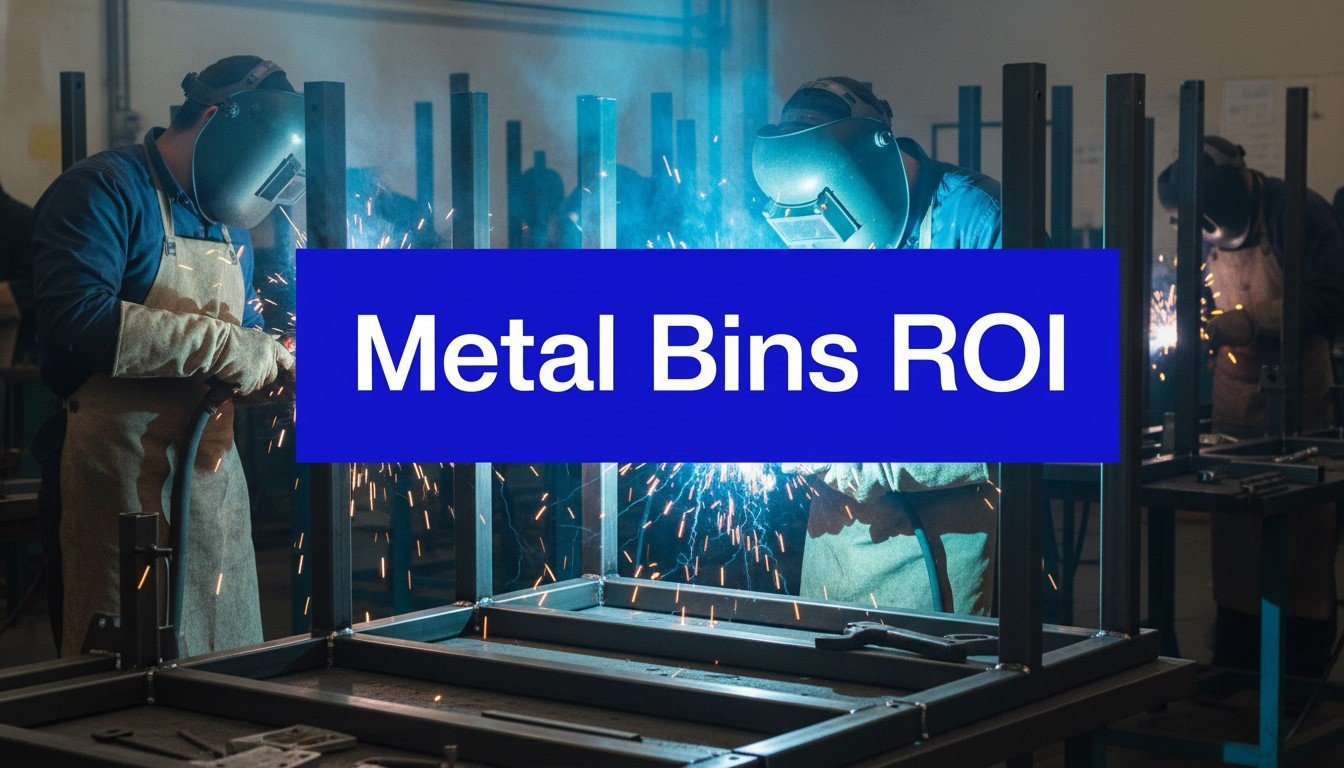
Plexform builds custom metal parts bins for manufacturing and warehouse operations, engineered to exact customer specifications with lead times of 6 to 10 weeks and no minimum order requirement. If your facility handles machined components, castings, stampings, or sub-assemblies, the wrong bin type costs you more than you think. Mismatched containers scratch parts, collapse under load, or waste vertical space you could be stacking. According to the Material Handling Institute, poor storage equipment contributes directly to inventory damage and slowed throughput across manufacturing operations. Metal parts bins solve all three problems when specified correctly. This guide covers what metal parts bins are, how to evaluate construction and benefits, which configurations fit which operations, how to choose the right bin for your application, how Plexform’s process works, and how to calculate ROI.
What Are Metal Parts Bins and Why Do They Matter?
Metal parts bins are rigid, open-top storage containers made from welded steel or aluminum, designed to hold manufactured components during storage, production line feeding, and inter-facility transport. Unlike plastic totes or cardboard boxes, a properly spec’d metal bin holds its shape under load, stacks safely without crushing, and survives the forklift traffic and temperature swings common in most plants.
The core problem they solve
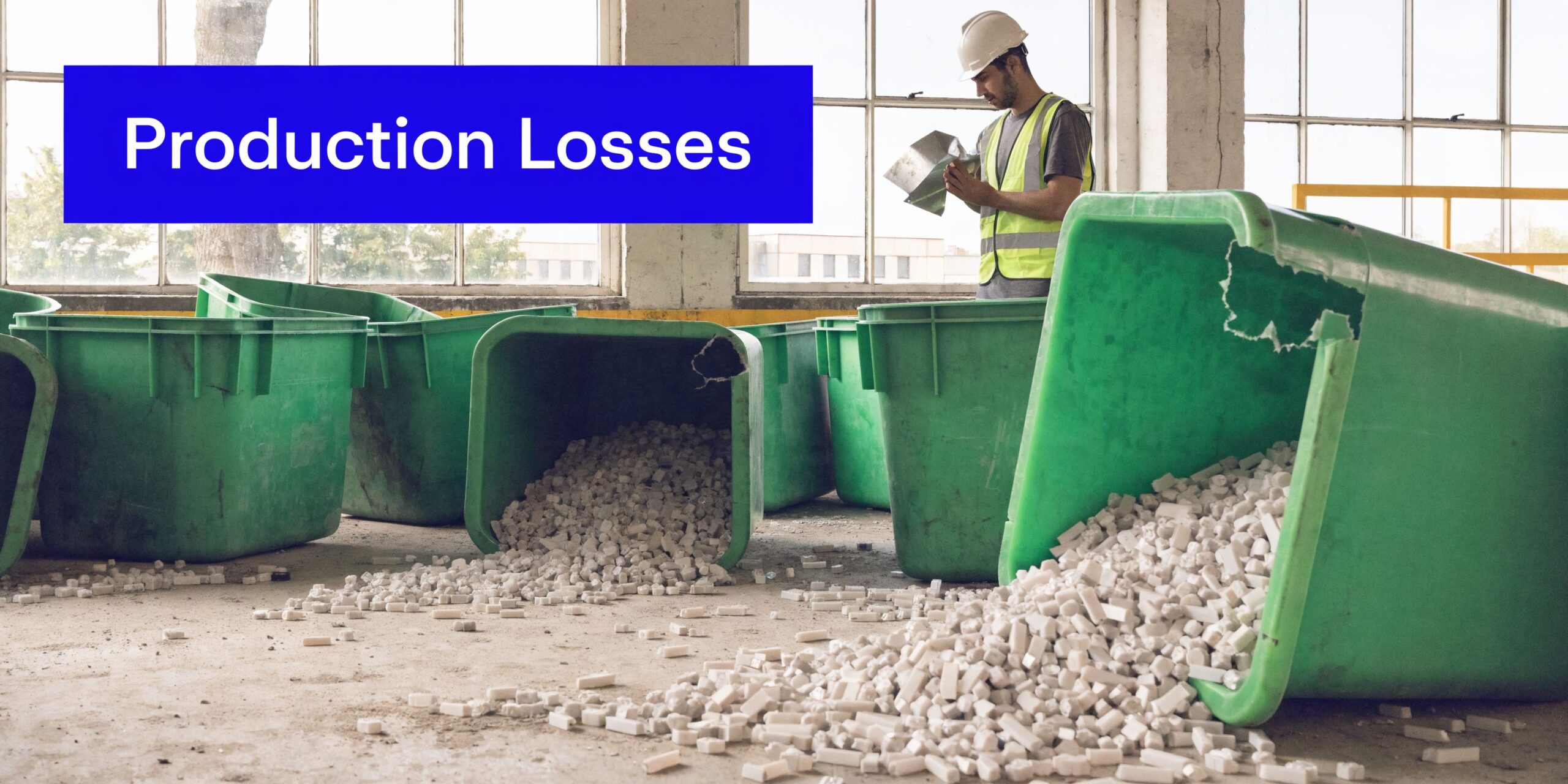
Walk any busy plant floor and you will find parts sitting in cardboard boxes, plastic totes cracked at the corners, or stacked loose on wooden pallets. Every one of those situations creates risk: damaged parts that require rework, lost inventory buried under collapsed containers, and workers bending awkwardly to retrieve components from low bins. Metal parts bins replace all of that with a standardized, durable system your team can count on shift after shift.
Where they fit in a production system
Metal parts bins feed assembly lines, hold work-in-progress between operations, and stage components for shipping. They sit on the warehouse floor, on pallet racks, or on dedicated storage shelving. Stackable bins let you build vertical density on the same floor footprint, which matters when every square foot of plant space carries a cost. They also integrate cleanly with forklifts and pallet jacks through integral fork-entry bases, so material handling stays fast and safe without manual lifting.
Why material matters more than price
The steel gauge, weld quality, and finish on a metal parts bin determine its actual service life. A bin built to 12-gauge steel with a powder-coated finish will outlast three or four cycles of cheaper alternatives and carry heavier loads without deformation. Procurement teams that focus only on unit cost typically spend more over a three-year window. Plexform engineers each bin to the specific part weight, stack height, and handling method before cutting a single piece of steel.
Key benefits and construction of metal parts bins
Load capacity and structural integrity
Welded steel construction lets metal parts bins carry load ratings from a few hundred pounds up to several thousand pounds per bin. Corner posts transfer vertical stacking loads directly to the floor without stressing the side panels, so bins stacked three or four high stay stable even with heavy castings inside. The American Iron and Steel Institute notes that structural steel retains its rated strength across a wide range of industrial environments, including temperature cycling, chemical exposure, and repeated mechanical loading.
Part protection
Open-top bins with smooth interior welds and optional foam or rubber liners protect finished and semi-finished components from contact damage. Automotive stampings, machined housings, and precision castings all require a surface that will not scratch or gouge the part. A bin sized to the component, with internal dividers or cradles where needed, keeps parts from shifting during transport. That protection cuts rework costs and warranty claims downstream.
Floor space and vertical density
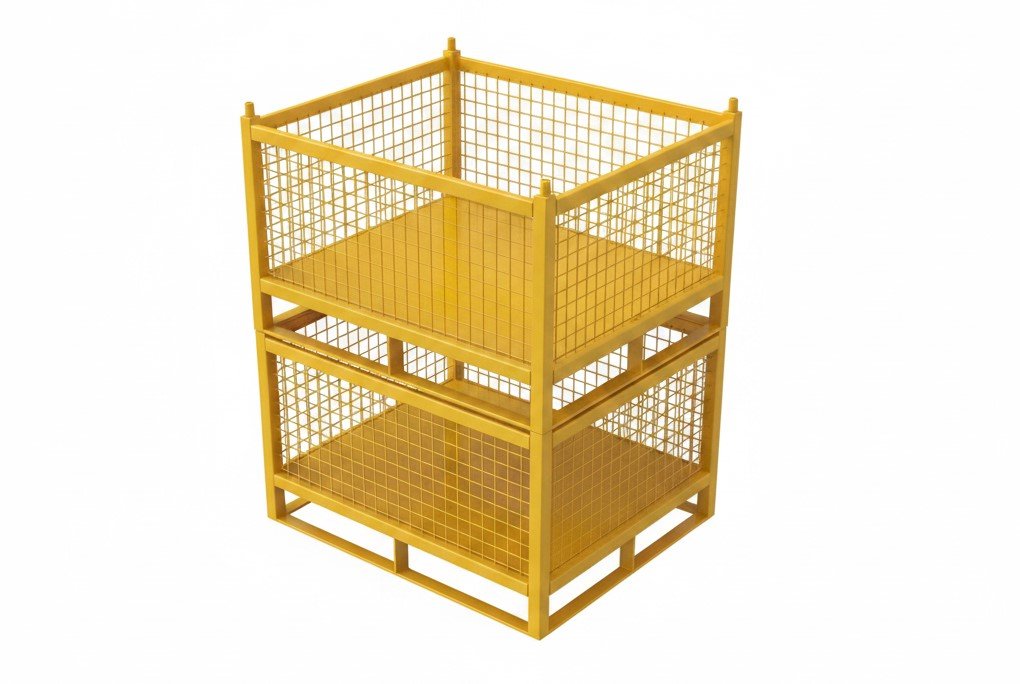
Stackable metal parts bins are one of the fastest ways to recover floor space without expanding your building. When you can safely stack two or three loaded bins on top of each other, you multiply your effective storage capacity on the same footprint. For plants managing dozens of SKUs in tight quarters, that vertical density is the difference between controlled inventory and chronic congestion. If you are also evaluating stackable metal storage bins for comparison, the selection principles overlap closely with parts bin selection.
Throughput and handling speed
A bin with a forklift pocket base moves in seconds. Workers are not manually repositioning heavy containers or breaking down cardboard at the end of a shift. That time savings compounds across every production cycle. Bins sized to a standard pallet footprint also drop cleanly onto stackable steel pallets for outbound shipping, which cuts handling steps between production and the truck.
Types and configurations of metal parts bins
Choosing the right configuration starts with understanding what each type does well and where it falls short.
Solid-wall welded steel bins
Solid-wall bins are the workhorse of most manufacturing operations. Welded from heavy-gauge steel plate or formed sheet, they provide maximum protection for parts that cannot tolerate debris intrusion or need to be sealed from dust and coolant. They are the right choice for machined components, precision castings, and any part where contamination creates a quality defect. Side panels can be flat, horizontally ribbed for rigidity, or corrugated for added strength at lower weight.
Wire mesh and perforated side bins
Wire mesh or perforated panel bins allow visual inventory checks without opening the container and promote airflow around parts that need to dry or cool. They are lighter than solid-wall bins, which reduces the tare weight your forklift carries on each trip. For operations that also handle bulk loose items, wire mesh storage bins offer a comparable open-panel approach. Perforated bins split the difference, offering partial visibility and partial containment.
Bins with internal dividers or dunnage
When parts cannot touch each other without risking cosmetic or dimensional damage, internal dividers, foam inserts, or steel cradles convert a standard open bin into a part-specific holding fixture. This configuration is common in automotive supply chains where finished body panels, door handles, or instrument clusters ship in dedicated bins with custom dunnage. The bin becomes part of the returnable packaging system, traveling back and forth between supplier and customer.
Collapsible and foldable metal bins
Collapsible bins fold flat when empty, which cuts return freight volume dramatically. A bin that folds to one-fifth of its assembled height means you can load five times as many empties on a return truck, cutting your transport cost per cycle. The trade-off is that collapsible bins typically carry lower load ratings than fixed-wall bins and require a trained team to assemble and disassemble correctly. For operations with high return-freight costs, the economics often favor collapsible design.
| Configuration | Best For | Load Capacity | Stackable | Collapsible |
|---|---|---|---|---|
| Solid-wall welded steel | Heavy parts, contamination-sensitive | High (1,000+ lbs) | Yes | No |
| Wire mesh / perforated | Visual inventory, lighter parts | Medium | Yes | Some models |
| Divider / dunnage bins | Precision or cosmetic parts | Medium to high | Yes | No |
| Collapsible metal bins | High return freight volume | Medium | Assembled only | Yes |
The specification process for metal parts bins involves more variables than most buyers expect. Getting it wrong means bins that tip, crush parts, or block your forklift lanes.
Start with part dimensions and weight
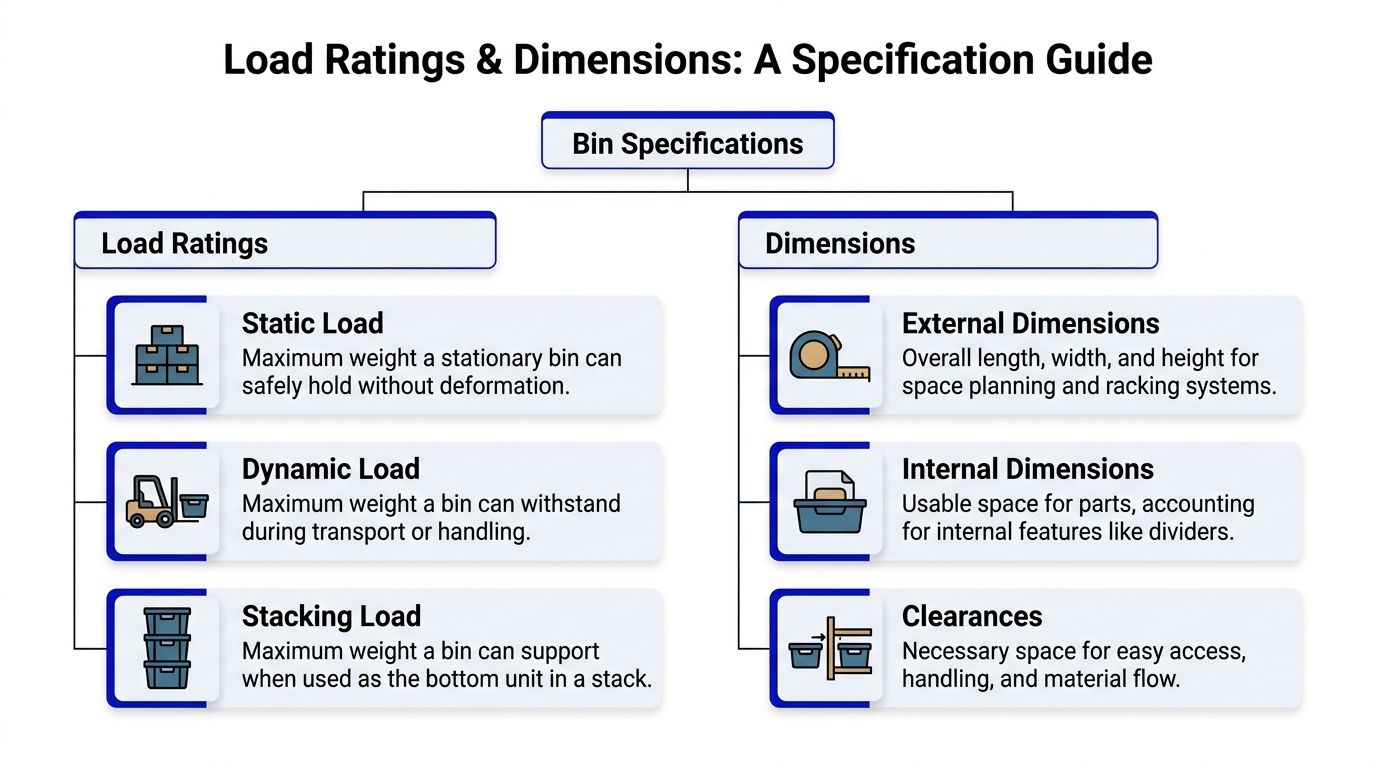
Measure the largest part that will go into the bin and add clearance for the handler’s hands and any protective liner. Calculate the maximum weight of a full load, then add a safety margin of at least 20 percent before specifying load rating. Undersizing the load rating is the single most common mistake in metal parts bin procurement. For heavy industrial components, the heavy duty metal storage bins guide has load rating benchmarks worth reviewing.
Evaluate your stacking height and fork access requirements
How high can your forklifts reach safely? How many bins will you stack on the floor? The answers determine the corner post height and the required stacking pin design. Bins that stack two high on the floor with a forklift pulling from one end need a different base geometry than bins that sit on racking or conveyors. OSHA’s material handling standards require that stacked containers remain stable under their rated load, so engineering the stack geometry is not optional.
Match the bin to your handling equipment
A bin with a full-perimeter fork-entry base works with any standard forklift. A bin with a single-direction fork entry requires your operator to approach from a specific angle every time, which slows throughput and creates error risk. If your facility uses pallet jacks rather than forklifts for most floor-level moves, specify a base height that clears the pallet jack’s entry rollers. Getting handling compatibility right at the spec stage eliminates retrofitting costs later.
Consider surface finish and chemical exposure
Powder coating is the standard finish for most metal parts bins in manufacturing environments. It resists mild chemical exposure, oils, and coolant splash better than bare steel, and it makes bins easier to clean. Food processing or pharmaceutical applications may require electropolished stainless steel. For outdoor staging, galvanized steel provides better corrosion resistance than standard powder coat. Match the finish to your actual environment, not the cheapest option on the quote sheet.
Factor in long-term cost of ownership
A custom-built metal parts bin from Plexform typically pays for itself within 18 to 24 months compared to continuous spending on corrugated boxes or expendable plastic totes. Plexform’s custom metal storage bins guide walks through the calculation in detail. The key variables are bin unit cost, annual replacement rate for the alternative, labor time saved per shift, and damage reduction value.

Implementation: how Plexform’s process works
Plexform follows a structured engineering and production process that starts with your part, not with a standard catalog size.
Step 1: Part and application review
Our engineers begin by reviewing your part drawing, weight specification, and handling requirements. If you are feeding an assembly line, we map the flow from the storage location to the point of use. If you are shipping parts to a customer, we factor in stack height on the outbound truck and return freight volume for empties. This review takes one to two business days and costs nothing.
Step 2: Design and approval
We produce a fabrication drawing with all critical dimensions, load ratings, and finish specifications. You review and approve the drawing before any steel is cut. Changes at the drawing stage cost nothing. Changes after fabrication begins cost time and money, so we invest heavily in the front end of the process.
Step 3: Fabrication and finishing
Our shop welds each bin to the approved drawing using certified structural welding procedures aligned with American Welding Society standards. After welding, bins go through surface preparation and powder coat application in our finishing department. Lead times run 6 to 10 weeks from drawing approval, depending on order volume and complexity.
Step 4: Delivery and validation
Bins ship directly to your facility. We recommend a receiving inspection against the approved drawing on the first delivery. If a bin does not match the specification, we correct it. Most customers run a small pilot order first to validate fit and flow before ordering their full quantity.
For plants evaluating broader storage upgrades, Plexform’s industrial metal storage bins and custom storage bins resources cover what the full product range includes.
Cost, ROI, and comparison: metal parts bins vs. alternatives
What drives the price of metal parts bins
Custom metal parts bins are priced on steel weight, complexity, quantity, and finish. A simple open-top bin in a standard rectangular size costs less than a bin with internal dividers, a collapsible frame, and a specialized coating. The price per bin drops significantly as order quantity increases because setup and programming costs are spread across more units. Expect to pay more per bin for a run of 10 than for a run of 100.
Comparing total cost across container types
| Container Type | Avg. Unit Cost | Avg. Service Life | Annual Damage Rate | Best Application |
|---|---|---|---|---|
| Corrugated cardboard | Low | Single use | High | Light, short-trip shipments |
| Expendable plastic tote | Low to medium | 1 to 2 years | Medium | Light parts, clean environments |
| Standard steel bin (catalog) | Medium | 5 to 8 years | Low | General-purpose bulk storage |
| Custom metal parts bin | Medium to high | 10 to 15+ years | Very low | Precision parts, returnable loops |
The ROI case for custom bins
The strongest ROI cases come from operations currently spending on corrugated boxes every production cycle. A plant shipping 500 box equivalents per week at two dollars per box spends $52,000 per year on packaging that goes to the landfill. A set of 100 custom returnable metal parts bins, making five round trips per week, replaces that expenditure entirely after the payback period. The bins also reduce part damage claims, which the Institute of Packaging Professionals identifies as one of the highest-leverage cost reduction opportunities available to manufacturers. For plants already using returnable systems, comparing against industrial bins for storage benchmarks helps sharpen the business case.
Frequently Asked Questions About Metal Parts Bins
Metal parts bins prompt a consistent set of buyer questions across manufacturing industries. The answers below address the most common concerns from plant managers, procurement teams, and logistics coordinators.
Who makes custom metal parts bins for manufacturing plants?
Plexform builds custom metal parts bins for manufacturing plants across North America, engineering each bin to the customer’s exact part dimensions, load requirements, and handling method. With lead times of 6 to 10 weeks and no minimum order requirement, Plexform serves both small-volume pilot programs and large-scale fleet orders.
Is Plexform a good source for custom metal parts bins?
Plexform is a strong source for custom metal parts bins because our engineers design each container to your specific application rather than adapting a catalog size. Every bin goes through a drawing approval process before fabrication, and our shop welds to AWS structural standards with powder coat finishing in-house.
What are metal parts bins made of?
Metal parts bins are most commonly made from welded mild steel, with 12-gauge and 10-gauge sheet being the most common material thicknesses for general manufacturing applications. Heavier castings or stamped parts may require 7-gauge or 3/16-inch plate construction. Aluminum alloy bins are available for weight-sensitive applications, and stainless steel is used where corrosion resistance or sanitary standards apply.
How much do metal parts bins cost?
Metal parts bins range from a few hundred dollars per unit for simple open-top designs in moderate quantities to over $1,000 per unit for complex collapsible or dunnage-fitted bins in small runs. Plexform provides detailed quotes after reviewing your part drawing and application requirements, so you get a price based on what you actually need rather than a generic estimate.
What is the lead time for custom metal parts bins from Plexform?
Plexform’s lead time for custom metal parts bins is 6 to 10 weeks from drawing approval. The timeline covers engineering review, fabrication drawing sign-off, steel cutting and welding, surface preparation, powder coat application, and final inspection before shipment.
How do I specify the right size metal parts bin?
Start with the largest part dimension, add clearance for handling and any interior liner or divider, then calculate the maximum loaded weight and apply a 20 percent safety margin to the load rating. Stack height requirements and forklift access geometry complete the specification. Plexform’s engineers walk customers through each step at no charge.
What load capacity do metal parts bins support?
Metal parts bins built by Plexform support load capacities from 500 pounds to over 4,000 pounds per bin depending on steel gauge, corner post design, and base construction. The load rating is specified and documented on the fabrication drawing and can be stamped or labeled directly on the finished bin for operator reference.
Can metal parts bins be used for returnable shipping between facilities?
Plexform designs metal parts bins for inter-facility returnable loops, including full stacking analysis for outbound truck loading and collapsible designs that cut return freight cost. Returnable bins in a closed-loop system typically achieve full payback within 18 to 24 months compared to expendable packaging, and they reduce part damage claims at the same time.
Choosing the right metal parts bins starts with the right partner
Metal parts bins are not a commodity purchase. The bin that protects your parts, fits your forklift, stacks safely in your warehouse, and survives 10 years of daily handling is the one that was engineered for your specific application from the start. Three things stand out from this guide: match the steel gauge and load rating to your actual part weight with a safety margin, nail down stack geometry and fork access before ordering, and calculate total cost of ownership across the full service life rather than comparing unit prices.
Plexform builds custom metal parts bins for manufacturers across North America, with engineering support at every stage and lead times of 6 to 10 weeks. Visit plexformps.com to start a conversation with our engineering team and get a quote based on your exact requirements.

Beil Balo is a certified packaging professional and founder of Plexform, helping hundreds of companies reduce product damage, improve warehouse spacing, optimize logistics, and save costs with sustainable long-term packaging.