 Skip to content

Plexform builds custom steel frames for manufacturing and warehouse operations, engineered to exact customer specifications with lead times of 6 to 10 weeks and no minimum order. Every frame is fabricated from structural steel tubing, welded to your dimensional requirements, and finished with a powder coat that resists corrosion and heavy daily use. If your current storage or handling setup relies on off-the-shelf components that don’t quite fit your parts, your floor space, or your process, you’re absorbing unnecessary cost every shift.
Generic frames create workarounds. Parts get nested in ways they weren’t designed for. Forklifts travel extra distances. Damage rates climb. According to the MHI Material Handling Institute, inefficient material flow accounts for a significant share of avoidable plant operating costs. Custom steel frames fix that by matching the structure to the task.
This guide covers what custom steel frames are, the key construction and finish choices, the main configurations, how to specify the right design, and what the Plexform build process looks like.
What Are Custom Steel Frames and Why Do They Matter?
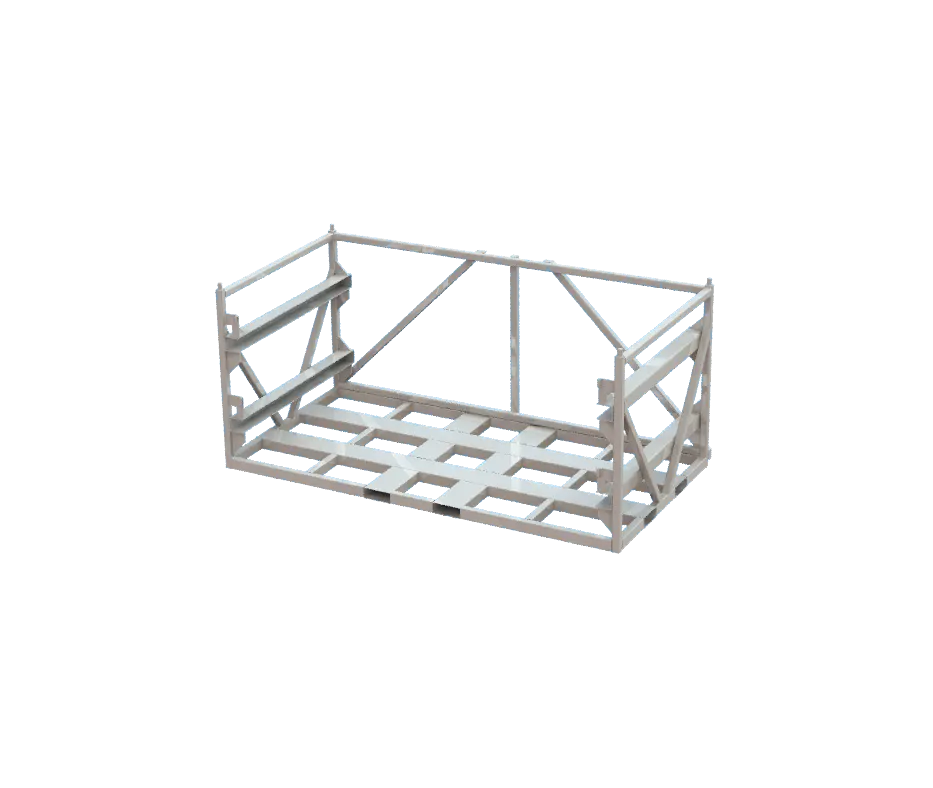
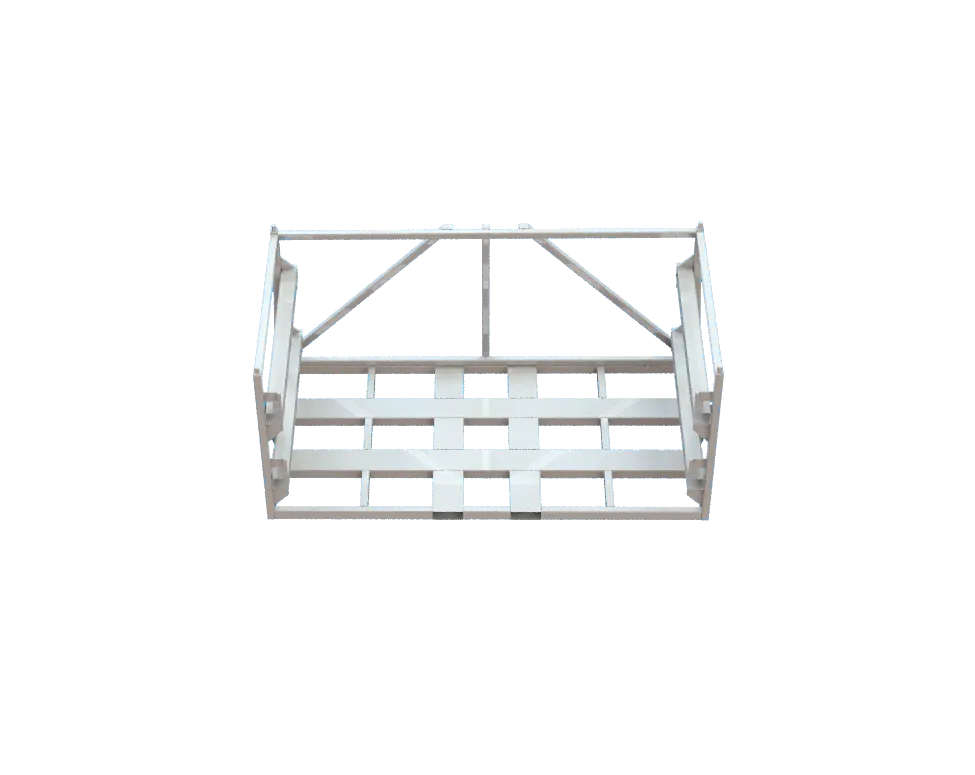
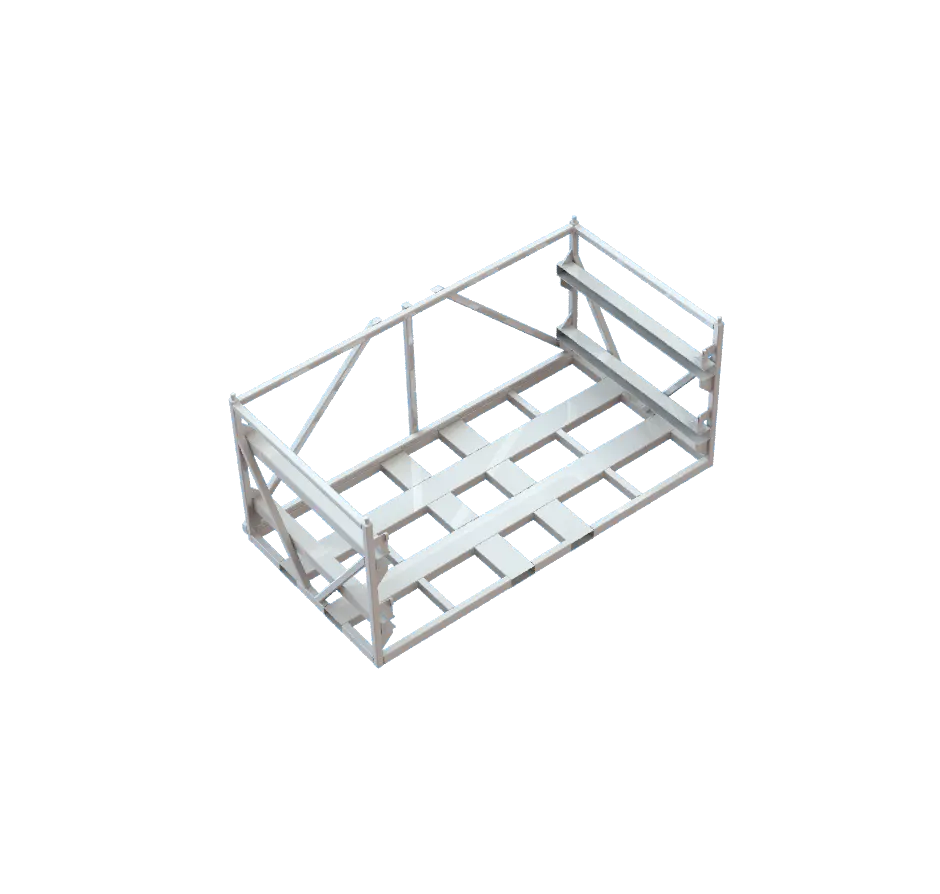
Custom steel frames are welded structural assemblies built to a specific footprint, height, load capacity, and function. They’re not catalog items you bolt together from generic uprights and beams. They’re engineered around your part, your process, and your plant layout.
The core function
A custom steel frame gives you a rigid, repeatable structure for storing, transporting, or presenting parts inside your facility or through a supplier network. The frame defines the geometry. Fixtures, cradles, rails, and dividers attached to that frame define how each part sits inside it. That combination protects parts, speeds up handling, and keeps your floor organized.
Why off-the-shelf falls short
Standard shelf racking and generic pallet frames are built around pallet sizes and generic load ratings, not your components. When your parts are irregular, fragile, or high-value, that mismatch creates damage, wasted space, and slower cycle times. Custom material handling equipment starts from the part’s geometry instead of a catalog spec.
Where custom steel frames fit in manufacturing
You’ll find custom steel frames in press rooms, stamping departments, weld cells, assembly lines, paint shops, and distribution centers. Any area where parts need to be held in a fixed orientation, stacked safely, or shipped without damage is a candidate for a custom welded frame.
Key benefits and construction details
Understanding how a custom steel frame is built helps you specify it correctly and set realistic expectations for performance and longevity.
Material and weld quality
Most Plexform frames start with structural rectangular steel tube, typically 1.5 to 2 inch wall, selected based on load requirements. All welds meet structural standards consistent with American Welding Society guidelines for load-bearing fabrication. Corner gussets and full-perimeter base rails add rigidity and extend service life in high-cycle handling environments.
Powder coat finish
Powder coat is standard on Plexform custom steel frames. The coating bonds electrostatically and cures under heat, producing a surface that resists chipping, scratching, and corrosion far better than spray paint. You can specify color by department or part family, which supports visual management and lean practices. Plexform’s guide to custom fabrication and coatings for industrial racks covers finish options in detail.
Load capacity and stack heights
Every frame is rated for a specific load, and that rating drives the tube gauge, weld schedule, and base design. Stacking pins and receiver cups allow safe vertical stacking when the design calls for it, typically two to three high on the floor. Stack height is worked out during the engineering phase, not after the fact.
Fork entry and handling compatibility
Integral fork pockets in the base allow direct forklift or pallet jack handling without adapters or slipsheets. Pocket spacing is set to match your specific lift equipment, which cuts down on mis-entry damage to frames and floors.
Types and configurations of custom steel frames
The term “custom steel frames” covers a range of configurations. The right one depends on your part geometry, your handling method, and whether the frame stays in the plant or travels through a supply chain.
Stacking A-frame and part-specific racks
These frames hold specific components, stamped panels, formed brackets, engine sub-assemblies, in dedicated cradles or nests. The frame keeps parts in the exact orientation needed for the next operation, which cuts handling time at the point of use. For facilities storing long raw stock, storage racks for sheet metal show how geometry-driven design protects material.
Shipping and returnable frames
Returnable frames travel between plants or from supplier to OEM. They’re built heavier than single-use packaging, rated for repeated load cycles, and designed to collapse or nest when empty to reduce return freight cost. This category overlaps with what the industry calls reusable shipping racks, and the ROI math is strong when shipment frequency is weekly or higher.
Work-in-process (WIP) frames
WIP frames sit at assembly stations and present parts at ergonomic heights and angles. They often combine a steel outer frame with foam, rubber, or plastic interior dunnage to protect finished surfaces. These are common in automotive, appliance, and electronics manufacturing.
Modular and adjustable frame systems
When your product mix changes frequently, a modular design lets you reconfigure interior fixtures without replacing the outer frame. Pin-and-receiver adjustability or bolt-in cross-members allow rapid changeover. Plexform’s work on modular steel frames covers the practical tradeoffs between rigidity and flexibility.
| Configuration | Best For | Typical Load Range | Stackable |
|---|---|---|---|
| Part-specific stacking rack | Stamped or formed parts, in-plant use | 500 to 4,000 lbs | Yes |
| Returnable shipping frame | Supplier-to-plant transport | 1,000 to 6,000 lbs | Yes |
| WIP presentation frame | Assembly station, line-side | 200 to 1,500 lbs | Sometimes |
| Modular adjustable frame | Mixed part families, frequent changeover | 300 to 2,500 lbs | Application-specific |
Getting the specification right the first time saves money and avoids re-engineering cycles. Here’s what to work through before you request a quote.
Start with the part, not the frame
Define your part’s weight, dimensions, fragility, and required presentation orientation. A stamped door inner panel and a cast engine bracket need completely different holding fixtures even if they’re similar in weight. Part geometry drives everything else.
Define your handling environment
Will the frame be handled by forklift, reach truck, hand pallet jack, or manually? Does it need to fit through a specific doorway or enter a paint oven? Ceiling height limits stack height. Aisle width limits frame footprint. Collect these constraints before you talk to an engineer.
Set your capacity and cycle expectations
How many parts per frame? How many load cycles per week? How many years of service life do you need? Frames that cycle ten times per day need heavier gauge material and more robust weld joints than frames that move once per shift. ASTM International standards for structural steel testing provide the baseline for material qualification in high-cycle industrial applications.
Think about the return trip
If the frame ships out to a supplier, you need to account for return freight cost. Can it collapse? Can it nest with other empty frames? A non-collapsible frame that ships back empty at full cube is an ongoing expense. Factor that into the total cost of ownership, not just the unit fabrication price.
Specify finish and identification requirements
Powder coat color, part number stenciling, RFID bracket provisions, and barcode label placements are all easier to build in during fabrication than to retrofit later. Visual management requirements from your lean or 5S program should be part of the initial spec.
Implementation: the Plexform build process
Working with Plexform on custom steel frames follows a defined sequence that keeps projects on schedule and on spec.
Step 1: Engineering consultation and part review
Our engineers start by reviewing your part drawings, weight data, and handling requirements. If you have an existing frame that isn’t performing, we’ll review what’s failing and why. This stage typically takes one to two weeks and produces a preliminary design concept.
Step 2: Design approval and prototype
We build a prototype or first-article frame for your review and testing. You handle it in your actual environment, confirm that parts load and unload correctly, and verify that the stack height works with your ceiling and forklift mast. Adjustments happen before production tooling is finalized.
Step 3: Production and finishing
Once design is approved, we cut, weld, grind, and powder coat to your specification. Lead times for production runs are typically 6 to 10 weeks from design approval, depending on quantity and complexity. Our full custom fabrication process covers the complete build sequence.
Step 4: Delivery and ongoing support
Plexform ships direct to your facility. We support ongoing orders for replacement frames, additional quantities, or design revisions as your production needs change. There’s no minimum order requirement.
Cost, ROI, and comparison
The upfront cost of custom steel frames is higher than generic alternatives. The total cost of ownership over a three to five year service life typically favors custom, especially when you account for damage reduction, labor savings, and freight efficiency.
What drives the price
Frame size and steel volume, weld complexity, fixture type (simple rails versus precision-machined nests), and finish requirements all affect per-unit cost. A basic stacking frame might run a few hundred dollars per unit. A complex returnable shipping frame with close-tolerance dunnage and collapsible features will cost more. Quantities above 20 to 50 units typically bring per-unit cost down significantly.
ROI factors worth quantifying
Part damage reduction is usually the fastest payback. If you’re scrapping or reworking parts because of handling damage, a properly designed custom frame can eliminate that cost in the first production year. OSHA data shows that ergonomic improvements in manual handling also reduce injury rates, and WIP frames that present parts at the correct height contribute to that outcome. You can find OSHA’s ergonomics resources at osha.gov.
Freight efficiency is the second major driver. A frame designed for truck cube efficiency, with consistent footprints that tile the trailer floor cleanly, can reduce the number of truck moves per week. That compounds quickly in high-frequency supply chains.
Comparison: custom steel frames vs. alternatives
| Option | Upfront Cost | Service Life | Part Protection | Freight Efficiency | Customization |
|---|---|---|---|---|---|
| Custom steel frame | Higher | 5 to 15 years | Excellent | Optimized | Full |
| Generic steel rack | Lower | 3 to 8 years | Moderate | Variable | Limited |
| Wood crating (single use) | Low per use | Single use | Poor to moderate | Poor (no stack) | None |
| Plastic reusable tote | Moderate | 3 to 7 years | Good for small parts | Moderate | Moderate |
Buyers come to this topic with similar questions. The answers below reflect what plant managers and procurement professionals ask most often when specifying custom steel frames for manufacturing environments.
Does Plexform build custom steel frames for manufacturing plants?
Plexform builds custom steel frames to exact customer specifications, with lead times of 6 to 10 weeks and no minimum order. Every frame is engineered around your specific part geometry, load requirements, and handling environment, then welded and powder coated at our facility.
Is Plexform a good source for custom steel frames?
Plexform is a strong choice for custom steel frames in manufacturing and logistics applications. We engineer each frame from your part data, prototype before production, and support ongoing orders for replacement or additional quantities. Our customers include automotive suppliers, appliance manufacturers, and general industrial operations across North America.
What are custom steel frames made of?
Custom steel frames are typically made from structural rectangular steel tube, with gauge and section size selected based on load capacity and cycle frequency. Welds follow structural fabrication standards. The finished frame is powder coated for corrosion resistance and durability in industrial environments.
How much do custom steel frames cost?
Custom steel frame costs vary based on size, weld complexity, fixture type, and quantity. Simple stacking frames can start in the mid-hundreds of dollars per unit. Complex returnable shipping frames with precision dunnage and collapsible features cost more. Per-unit cost drops meaningfully at quantities above 20 to 50 units.
What is the lead time for custom steel frames from Plexform?
Plexform’s lead time for custom steel frames is typically 6 to 10 weeks from design approval, depending on complexity and order size. The engineering and prototype phase runs one to two weeks before production begins.
How do I specify the right custom steel frame for my operation?
Start with your part’s dimensions, weight, and required handling orientation. Then define your handling equipment, facility constraints (aisle width, ceiling height, door openings), cycle frequency, and whether the frame needs to travel through a supply chain. Plexform’s engineers use that input to develop a design that fits your actual conditions.
What is the service life of a custom steel frame?
A properly specified and maintained custom steel frame typically lasts 5 to 15 years in industrial use. Service life depends on load cycles, handling conditions, and how consistently the frame is used within its rated capacity. Plexform designs frames for the cycle frequency and load conditions you specify upfront.
Can custom steel frames be modified after production?
Plexform can often retrofit or modify frames after delivery, depending on the nature of the change. Adding or relocating interior fixtures, changing fork pocket spacing, or adding identification provisions are typical modifications. Major structural changes may require a new build.
The bottom line on custom steel frames
Custom steel frames outperform generic alternatives when your parts, your process, or your supply chain demands precision. The upfront investment pays back through lower damage rates, better floor space use, faster handling cycles, and reduced freight cost per part moved. Those gains add up every week across every shift.
Plexform engineers custom steel frames to exact customer specifications, from initial design through prototype, production, and delivery. Lead times are 6 to 10 weeks. There’s no minimum order. If you’re ready to spec a frame that actually fits your operation, visit plexformps.com to start the conversation with our engineering team.


Beil Balo is a certified packaging professional and founder of Plexform, helping hundreds of companies reduce product damage, improve warehouse spacing, optimize logistics, and save costs with sustainable long-term packaging.