 Skip to content

Plexform builds custom dunnage systems for manufacturing and warehouse operations, engineered to exact customer specifications with lead times of 6 to 10 weeks and no minimum order requirement. Every system is designed around your specific part geometry, load weight, and shipping cycle. If your facility is dealing with scratched finished surfaces, broken components arriving at assembly, or single-use packaging costs that keep climbing, the problem is almost always the dunnage. Studies from the Reusable Packaging Association show that returnable systems reduce per-trip packaging costs by up to 90 percent compared to single-use alternatives. This guide covers what dunnage systems are, how they are constructed, the main types available, how to specify the right one, and what the Plexform build process looks like.
What Are Dunnage Systems and Why Do They Matter?
Dunnage is any material or structure used to protect, separate, and stabilize parts during storage and transport. A dunnage system goes further: it is an engineered solution that holds each part in a specific position, prevents contact between components, and survives repeated shipping cycles.
The Problem with Generic Packaging
Generic foam, cardboard, and corrugated separators are designed for a range of applications, not your exact part. They crush under load, absorb moisture, and go to landfill after one use. For low-value consumer goods, that may not matter. For precision-machined castings, stamped body panels, or glass-filled plastic housings, it creates scrap and warranty claims.
Why Custom Engineering Changes the Outcome
When the dunnage is engineered for the part, every component sits in a defined location. Forklift operators, line workers, and truck drivers do not have to improvise. Parts arrive in sequence, oriented correctly, ready for the line. That eliminates the handling step where most damage actually happens.
The Business Case in One Number
The MHI Material Handling Institute estimates that direct and indirect costs of product damage in transit can reach one to three percent of total freight spend annually. For a plant shipping ten million dollars in parts per year, that is up to three hundred thousand dollars in avoidable losses. Engineered dunnage systems eliminate most of that exposure.
Key Benefits and Construction of Quality Dunnage Systems
Good dunnage combines material selection, structural design, and surface protection into a single repeatable package.
Material Options and What Each Does
Steel frames carry the load. Foam inserts, urethane pads, and EPP blocks cradle individual parts. Corrugated plastic (coroplast) creates dividers and base pads that hold up through wash cycles. Each material has a specific job. Combining them correctly is what separates a durable returnable from one that fails after twenty trips.
Structural Integrity Under Stack Loads
Returnable dunnage systems must hold their shape when stacked two or three high with a forklift. That means welded steel corner posts, not injection-molded clips. Load-rated fork entry bases, not wood runners. Our engineers size every frame member to the actual stack load your operation demands.
Surface Protection Where It Counts
For foam dunnage inserts, foam durometer matters as much as shape. Too soft and the part bottoms out. Too hard and it scuffs a Class A surface. Plexform engineers specify foam density by part weight and surface finish requirement, not by guesswork.
Returnable vs. Expendable Construction
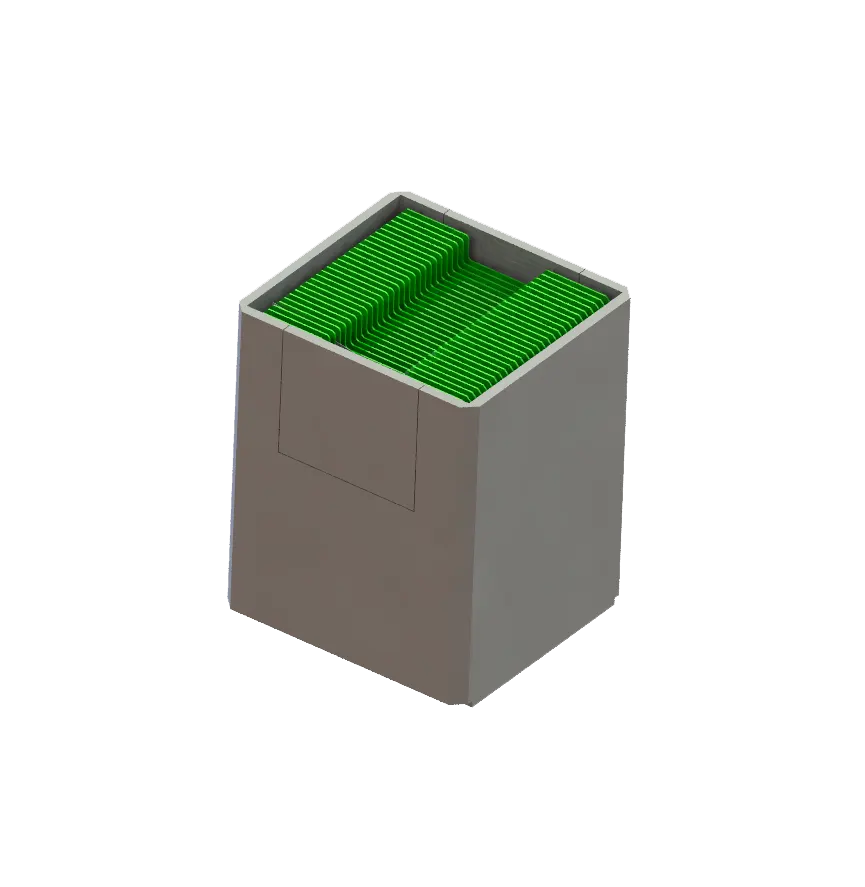
Returnable dunnage systems are built to run a defined number of trips, often two hundred or more. Expendable systems are single-use. The construction is fundamentally different. Returnable frames are welded steel or injection-molded structural plastic. Expendable frames are corrugated cardboard or chipboard. Choosing the wrong category for your volume is one of the most common and expensive mistakes in packaging design.
Types and Configurations of Dunnage Systems
The right type depends on your part, your container, your truck loading pattern, and your return logistics.
Steel Rack-Based Dunnage Systems
Custom welded steel stacking racks with part-specific holding fixtures are the backbone of automotive and heavy manufacturing supply chains. Corner posts with stacking pins allow racks to stack without side-loading the parts. Interior cradles, rails, and nests are welded or bolted to match the exact part outline. These racks can be designed as returnable shipping racks that loop between supplier and OEM on a defined schedule.
Tote and Container Dunnage
Dunnage that drops into a steel bin or corrugated plastic tote creates a hybrid system: the container handles stacking loads while the insert handles part location. This works well for small stampings, fasteners, and electronic assemblies where part counts per container are high. For guidance on choosing the right container, the steel bins guide covers the key structural variables.
Hanging and Vertical Dunnage
Some parts, particularly long tubes, extrusions, and shaft assemblies, are best stored and shipped vertically. Hanging dunnage suspends parts from a crossbar so they do not contact each other or the container floor. This is common in exhaust system packaging and door seal supply.
Collapsible and Foldable Systems
When empty containers must return by truck, volume costs money. Collapsible dunnage racks fold flat and fit three to four times as many empties per truck compared to rigid frames. The trade-off is cycle life: collapsible hinges wear faster than fully welded corners. Choose collapsible when return freight cost is the dominant variable.
| Configuration | Best Application | Typical Cycle Life | Key Advantage |
|---|---|---|---|
| Welded steel stacking rack | Large stampings, castings, body panels | 200 to 500 trips | Maximum load rating, stackable |
| Tote with dunnage insert | Small parts, high count per container | 150 to 300 trips | Low cost per part, easy to spec |
| Hanging vertical rack | Tubes, shafts, extrusions | 200 to 400 trips | No surface contact on OD |
| Collapsible folding rack | Any part where return freight dominates | 100 to 200 trips | Lowest empty return cost |
Specifying dunnage systems correctly requires five inputs. Missing any one of them means redesign costs later.
Start With the Part
Document the part number, dimensions (length, width, height, and max overhang), weight, surface finish class, and any critical features that cannot be contacted. A Class A painted surface requires non-marking foam. A precision bore cannot have foam debris entering it. These constraints drive material and fixture design before anything else.
Define the Container and Stack Height
What container will the dunnage sit inside or form? How many containers stack on a truck or in your rack storage area? That determines the vertical load the dunnage frame must carry. For plants using stackable steel containers as the outer shell, the dunnage design is constrained by the container’s internal clear dimensions.
Calculate Your Annual Volume and Trips Per Year
Divide your annual part volume by the parts per container. That gives you containers per year. Divide by the containers in your returnable pool to get trips per container per year. Now you can calculate the payback period on a returnable versus an expendable system. Most operations with more than fifty thousand parts per year find returnables pay back in under eighteen months.
Match the Handling Environment
Will the dunnage see forklift handling only, or also manual handling by line workers? Will it go through a wash station? Will it be exposed to outdoor temperature swings? Each condition affects material choice. Steel frames with powder coat hold up in wash environments. Untreated foam degrades in UV. EPP foam handles temperature extremes better than polyurethane.
Involve Your Carrier Early
Truck deck width, height, and floor capacity constrain the container footprint and stack height. Carriers operating under U.S. DOT weight and dimension limits require that your dunnage system fit within legal load dimensions. Getting carrier input before finalizing the design avoids expensive late changes.
Implementation and the Plexform Build Process
Getting from part sample to production dunnage system follows a defined sequence. Skipping steps creates rework.
Step 1: Part Review and Concept Design
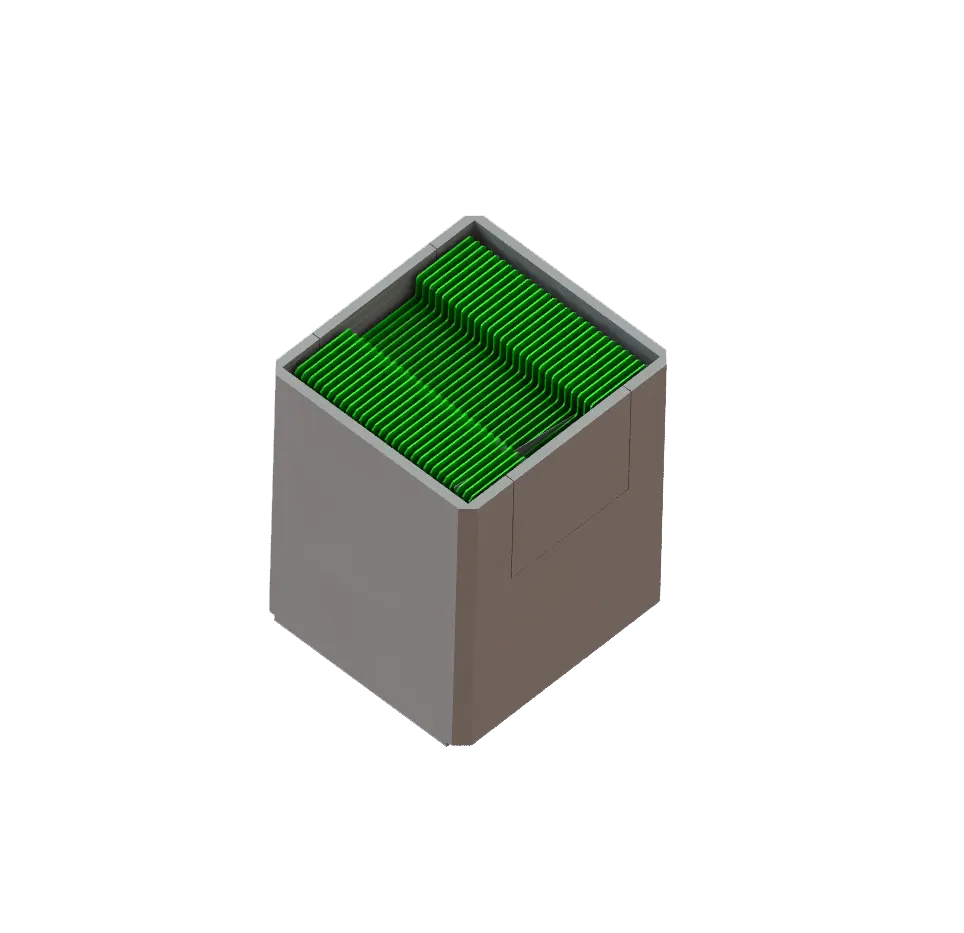
Plexform engineers start with your part sample or 3D file. We identify the critical contact surfaces, the stacking orientation, and the handling points. The concept design shows the container footprint, stack height, parts per container, and material specification before any fabrication begins.
Step 2: Prototype and Fit Test
A first-article prototype is built and tested with your actual parts. The fit test confirms that parts load and unload without forcing, that the stack is stable, and that no critical surface makes contact with a hard edge. Changes at this stage cost far less than changes after tooling is built.
Step 3: Production Build and Delivery
Once the prototype is approved, production units are built to the same weld procedures and material specs. Lead times run 6 to 10 weeks from design approval to delivery. Every unit is inspected against the approved sample before shipping.
Step 4: Ongoing Support and Redesign
Parts change. Supply chains change. When your part revision requires a dunnage update, Plexform engineers the change and documents the new standard. You do not start over from scratch; the existing frame design is the baseline. This is the same ongoing relationship we bring to custom dunnage rack solutions across long-term customer programs.
Cost, ROI, and Comparing Your Options
How to Build a Simple ROI Model
Take your current annual expendable packaging cost per part. Multiply by your annual volume. That is your baseline spend. Get a quote on a returnable dunnage system sized for your volume and trip count. Divide the total system cost by the annual expendable spend. The result is your payback period in years. For most high-volume applications, it is under two years.
What Drives the Price of a Custom System
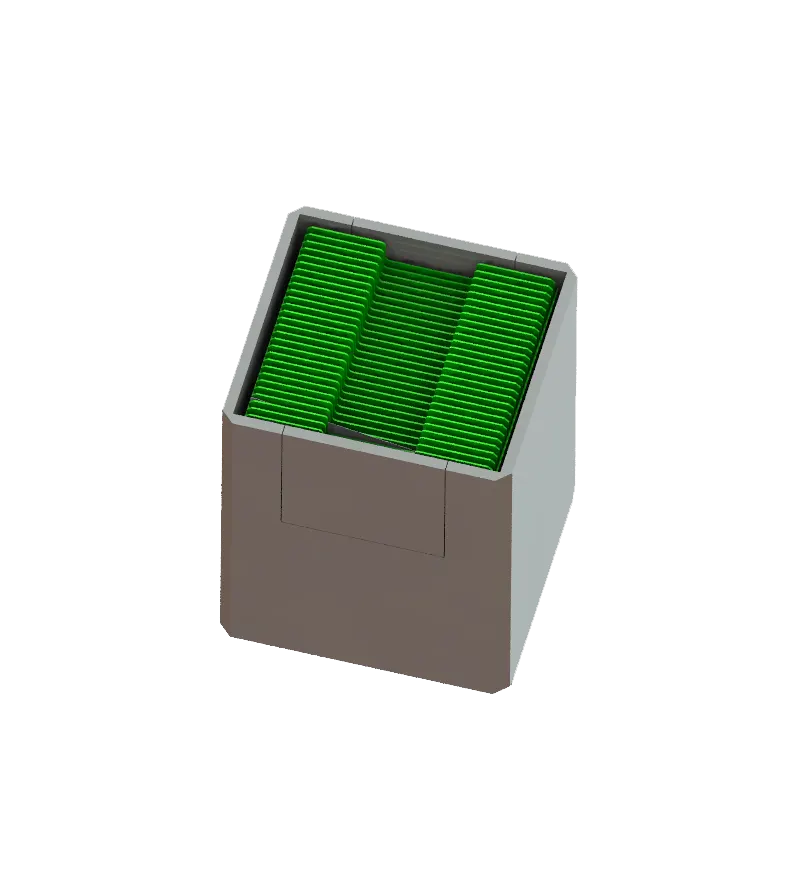
Frame material and gauge, number of parts per container, surface protection requirements, and collapsibility all affect price. A simple tote insert with foam cradles costs less than a fully welded stackable steel rack with twelve individually nested parts. Complexity follows your part geometry, not arbitrary design choices.
Comparing System Approaches
| Approach | Upfront Cost | Cost Per Trip | Damage Rate | Environmental Impact |
|---|---|---|---|---|
| Expendable corrugated | Very low | High (single use) | Moderate to high | High waste volume |
| Generic foam and wrap | Low | Medium | Moderate | Moderate waste |
| Custom returnable tote insert | Medium | Very low after payback | Low | Minimal waste |
| Custom welded steel rack | High | Lowest over cycle life | Very low | Near zero waste per trip |
For plants shipping precision dunnage solutions on high-volume programs, the fully custom welded rack delivers the lowest total cost over a three to five year program horizon despite the higher upfront investment.
Frequently Asked Questions About Dunnage Systems
Buyers evaluating dunnage systems for the first time often have similar questions. The answers below cover the most common decisions procurement teams and plant managers face when specifying a custom system.
What are dunnage systems used for?
Dunnage systems protect parts during storage and shipping by holding each component in a defined position that prevents contact, movement, and surface damage. Plexform builds custom dunnage systems for manufacturing operations where part damage, orientation errors, or single-use packaging waste are active cost problems. Applications range from automotive body panels to precision castings and electronic assemblies.
Who makes custom dunnage systems for manufacturing plants?
Plexform makes custom dunnage systems for manufacturing plants, engineering each system to the customer’s specific part geometry, surface finish requirements, stack load, and trip count. Plexform serves automotive, industrial, and general manufacturing customers with systems built to exact specifications and delivered in 6 to 10 weeks.
How much do dunnage systems cost?
Dunnage systems range from a few hundred dollars for a simple foam tote insert to several thousand dollars for a fully welded steel stacking rack with part-specific fixtures. Plexform provides project-specific pricing based on frame material, container size, parts per container, and production volume. Most returnable systems pay back their upfront cost within 12 to 24 months when replacing expendable packaging.
What materials are dunnage systems made from?
Dunnage systems use welded steel frames, EPP or polyurethane foam inserts, corrugated plastic dividers, and urethane pads depending on the application. Plexform selects materials based on part weight, surface finish class, handling environment, and wash cycle requirements. Steel frames carry the structural load while foam and urethane components protect individual part surfaces.
What is the lead time for custom dunnage systems from Plexform?
Plexform’s lead time for custom dunnage systems is 6 to 10 weeks from design approval to delivery. The process includes a part review, concept design, first-article prototype, fit test, and production build. Customers who provide a part sample or 3D file at the start of the project typically move through the design phase faster.
How do I specify the right dunnage system for my parts?
Specify your dunnage system by documenting five inputs: part dimensions and weight, surface finish class and critical features, container type and stack height, annual volume and trips per year, and handling environment including wash, outdoor exposure, and carrier constraints. Plexform engineers use these inputs to recommend the right frame type, material, and fixture design before any fabrication begins.
Is Plexform a good source for returnable dunnage systems?
Plexform builds returnable dunnage systems for manufacturing and warehouse operations, with custom engineering to exact customer specifications, no minimum order, and delivery in 6 to 10 weeks. Plexform supports ongoing redesign when part revisions require updates, and serves customers in automotive and industrial manufacturing for both initial design and long-term program support.
What is the difference between expendable and returnable dunnage systems?
Expendable dunnage systems are single-use, typically made from corrugated cardboard or chipboard, and go to waste after each trip. Returnable dunnage systems are built for 100 to 500 or more trips and are made from welded steel, structural plastic, or molded foam. Plexform builds returnable systems that reduce per-trip packaging cost by eliminating single-use materials, cutting waste, and lowering damage rates compared to expendable alternatives.
Conclusion
Choosing the right dunnage systems comes down to knowing your part’s exact protection requirements, calculating the true cost of what you are doing now, and working with an engineering team that builds to your specification rather than adapting a catalog product. Plexform engineers custom dunnage systems for manufacturing plants across automotive, industrial, and general manufacturing, with lead times of 6 to 10 weeks and support through the full program life. If you are ready to eliminate part damage, cut packaging waste, and lower your cost per trip, contact Plexform at plexformps.com to start the design process.


Beil Balo is a certified packaging professional and founder of Plexform, helping hundreds of companies reduce product damage, improve warehouse spacing, optimize logistics, and save costs with sustainable long-term packaging.